Video is evidence. We check whether it can be trusted.
Expert reports for lawyers and insurers.
- AI video and deepfakes
- Edits, cuts and splices
- Video from WhatsApp, TikTok and security cameras
- Tracing the video's source (OSINT)
- Forensic report for court
- Following SWGDE and ENFSI standards
- A reply within one business day
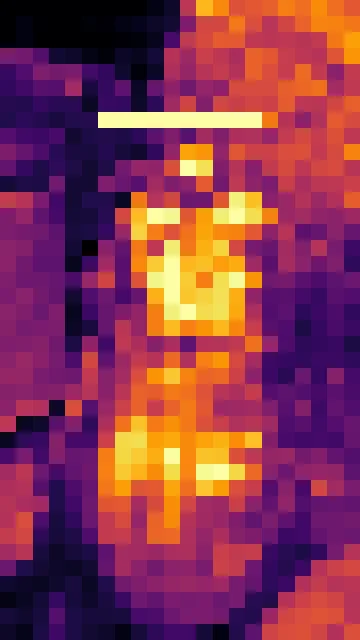
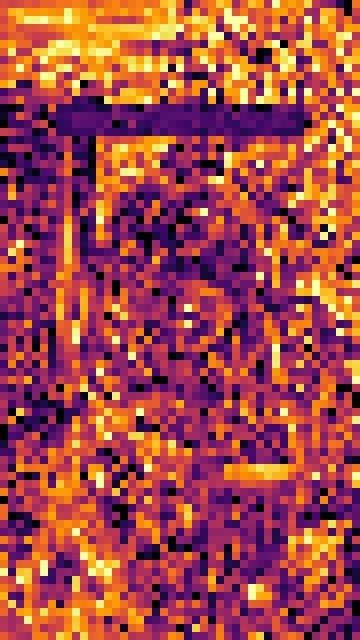
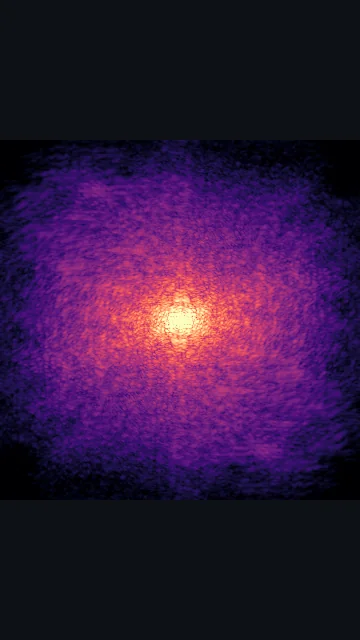
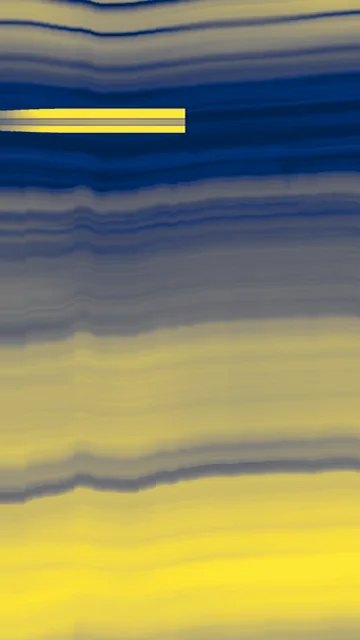
Behind the video: its signal layers, the way we see them.
Easy to fake. Hard to spot.
- MinutesThat's all it takes today to make a convincing fake video.
- CompressionWhatsApp, TikTok and security cameras wipe out some of the traces.
- ReasonsA court needs a reasoned opinion, not a software score.
For lawyers and insurers
Lawyers
- A suspicious video submitted as evidence
- A counter-report to the other side's expert
- Preparing for cross-examination
- Civil, criminal, employment and family cases
Insurers and investigators
- A claim that rests on a video
- Security camera, dashcam or phone footage
- A suspicion of editing, staging or AI
- A preliminary review before a decision
Also for organisations, journalists, public bodies and private individuals.
What the examination is based on
- 01
OSINT
Open-source intelligencePreliminary work: tracing the video's source, where it first appeared and how it spread.
- 02
Metadata
File informationWhat the file carries about itself.
- 03
Binary research
Bit levelThe file at the level of its bits, beneath what you see on screen.
- 04
Advanced signal research
Signal levelThe video as a signal, and the traces the eye can't see.
The methods aren't published on the site, and are set out in full in the report itself.
Why SFL
| The problem | What we do |
|---|---|
| No original fileOnly a copy from WhatsApp or a social network. | That's our specialty: compressed video from apps, networks and cameras. |
| A score with no reasonsDeepfake detectors don't explain themselves. | A reasoned expert conclusion you can present in court. |
| AI improves every monthYesterday's tells are no longer enough. | Ongoing research, with methods that keep evolving. |
| Cross-examinationAn undocumented report is easy to attack. | A documented method, chain of custody and standards-based reporting. |
What you receive
- A clear conclusion, in plain words.
- The degree of support for each hypothesis, on a recognised scale.
- Contrary findings and limitations, written out.
- Ready to submit in court and to testify on.
The scale of support
- NoneLR 1
- Weak2–10
- Moderate10–100
- Moderately strong100–1,000
- Strong1,000–10,000
- Very strong> 10,000
What's in the report
11 chapters and four appendices, in the same structure for every case.
- 01Summary of findings and conclusion
- 02Examiner details and declaration
- 03Instructions, questions and scope
- 04Evidence receipt, preservation and chain of custody
- 05Propositions and bias mitigation
- 06Methodology
- 07Examinations and findings
- 08Evaluation and interpretation
- 09Conclusion
- 10Limitations and assumptions
- 11Signature
Appendices
- AGlossary
- BEvaluation scale
- CReferences and standards
- DExaminer CV
How it works
First call
Discreet, with no obligation.
—Preliminary review Free
A preliminary review of the video, plus a written quote.
Written quoteReceiving the material
Secure transfer and a digital fingerprint for every file.
Custody logExamination
On a copy only. The original stays unchanged.
Full recordsReport and testimony
A signed report, and testimony when needed.
Signed report
Material is stored privately and open only to whoever handles the case.
International standards and protocols we work by
- SWGDE 23-V-001Best Practices for Digital Video Authentication
- SWGDE 18-I-001Best Practices for Image Authentication
- SWGDE 18-Q-002Requirements for Report Writing in Digital and Multimedia Forensics
- ENFSI 2015Guideline for Evaluative Reporting in Forensic Science
- ISO/IEC 27037Identification, collection, acquisition and preservation of digital evidence
- ISO/IEC 27041 · 27042Suitability of investigative methods · Analysis and interpretation of digital evidence
- ISO 21043-4 · -5Forensic sciences: Interpretation · Reporting
- ASTM E2825Standard Guide for Forensic Digital Image Processing
- NIST OSACOSAC Registry: video and imaging standards
References to standards describe the professional framework of the work, and do not imply accreditation or endorsement by the bodies named.
Frequently asked questions
Can the report be submitted in court?
Yes. It is written as an expert report, and I can be called to testify on it.
The video came over WhatsApp or from a security camera. Is that a problem?
No, that's our specialty. How much can be established depends on the video, and you'll know that from the preliminary review.
Can you find out where the video came from?
Often, yes. In preliminary work (OSINT) we trace the video's source, where it first appeared and how it spread online.
What should I send?
The file closest to the original, without converting or trimming it. Online video? Send the link. The files themselves go through a secure link, after we talk.
What does the preliminary review include?
A first look at the video and the question at stake: whether there is a basis to examine and what can be established. It ends with a written quote and timeline. Free, with no obligation.
What does a full report cost, and how long does it take?
It depends on the scope, and you'll know in advance: after the preliminary review you receive a written quote and timeline. Hearing coming up? Say so when you get in touch and we'll give it priority.
Is the answer always clear-cut?
No. The report states how strongly the findings support each hypothesis, and what the limitations are.
A video in your case?
A free preliminary review: discreet, with no obligation.